Afraid of Copying? Here's How to Find Inspiration
A beginner's guide to finding your artistic voice without copying
"Dear Elaine, How do you find inspiration without copying another person's art or work? I'm a beginner artist, but I'd love to turn my work into something more. The thought of that makes me hesitate and question whether I should even try. When I look for inspo on Pinterest, I get stuck wondering how to start without just doing what someone else is already doing. Not sure if that even makes sense!" — A.S.
Gonna be honest, this isn't just a beginner question. It's something artists at every level wrestle with, so you're in good company. And the fact that you're asking it means you have good intentions and a good heart. I've pondered this a great deal myself.
There's a real tension between wanting to grow as an artist and wanting to be original, especially when you're not sure what's kosher. Of course you'll be drawn to art that inspires you, but when you sit down to create, you might wonder if you're just copying. It can feel conflicting, but there is a right way to go about inspiration.
So let's talk through it. 🎨
Inspiration Is Not the Same as Copying
Finding inspiration from other artists is completely normal.
It's genuinely part of how the creative process works, and it always has been. Monet, Picasso, Michelangelo, they were all inspired by their mentors and the artists of their time. But that was a starting point. They took what they learned and eventually arrived at what they’re known for today.
We learn by looking, by studying, by absorbing what's around us.
Austin Kleon puts it so well in Steal Like an Artist, a book I recommend to every artist I know. He writes that nothing is completely original, and that's not a discouraging thought. It's actually freeing. The Bible says in Eccl 1:9, "What has been will be again, what has been done will be done again. There is nothing new under the sun."
You don't have to invent something from scratch. But please don't misunderstand the phrase "steal like an artist". Austin presents it as a method of learning, not a license to copy without permission.
It's about studying deeply enough to understand the thinking behind the artwork. You're not borrowing the results. You're borrowing the questions, the constraints, the decisions.
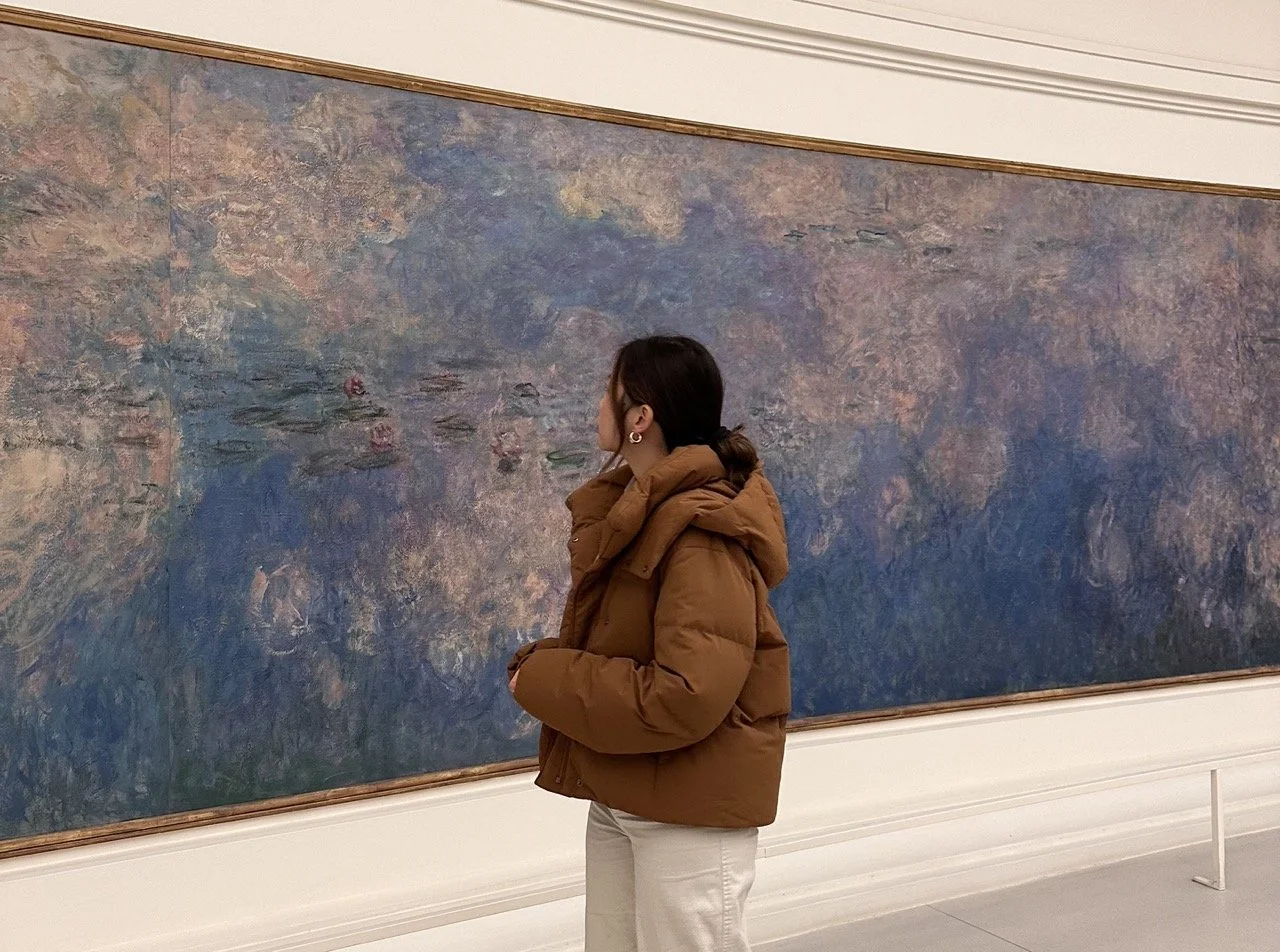
When you stand in front of a painting and really look, the real "stealing" happens before you even pick up a pencil. It happens when you ask: Why did they choose this medium? Why this angle? What choices did they make that their contemporaries wouldn't have dared to? If you're only copying what's on the surface, you're cloning. But when you dig into the principles behind the work, that's when you start building your own voice.
So instead of copying what's visible, look at what's underneath. The deeper you study, the less your work ends up resembling the source.
Don't steal from artists. Steal their way of seeing.
The real difference between inspiration and copying comes down to one question: are you studying and learning, or are you recreating someone's work and presenting it as your own? Those are two very different things.
Master Studies: An Honest Way to Learn
One completely valid practice is something called a master study, and artists have been doing this for centuries. A master study is when you intentionally imitate or recreate another artist's work in order to understand how they think, how they use color, how they simplify shapes, or how they build composition. And you give full credit to the artist you're learning from.
Vincent van Gogh wrote about doing this in his letters. He described copying the work of painters he admired as "learning" and said it brought him peace. I love that so much. Even one of the most iconic artists in history was practicing by studying others.
Two artists I've personally spent a lot of time studying are Henri de Toulouse-Lautrec and Raoul Dufy.
Toulouse-Lautrec lived during such a particular moment in history, right in the middle of Moulin Rouge-era Paris, and he illustrated life as he witnessed it. His subjects were often unspeakable by the standards of his time, disease, entertainment, the edges of society, and yet there's something about his work that pulls you directly into that world. Studying him taught me so much about how illustration can be a record of real human experience.
Raoul Dufy is another artist I admire. His use of color is so free and unafraid, his sense of perspective in interior and outdoor scenes feels almost playful, and his florals have this loose, painterly quality I find endlessly inspiring. There's so much to sit with when you study his linework and the way color moves through his compositions.
Gather From Many, Not Just One
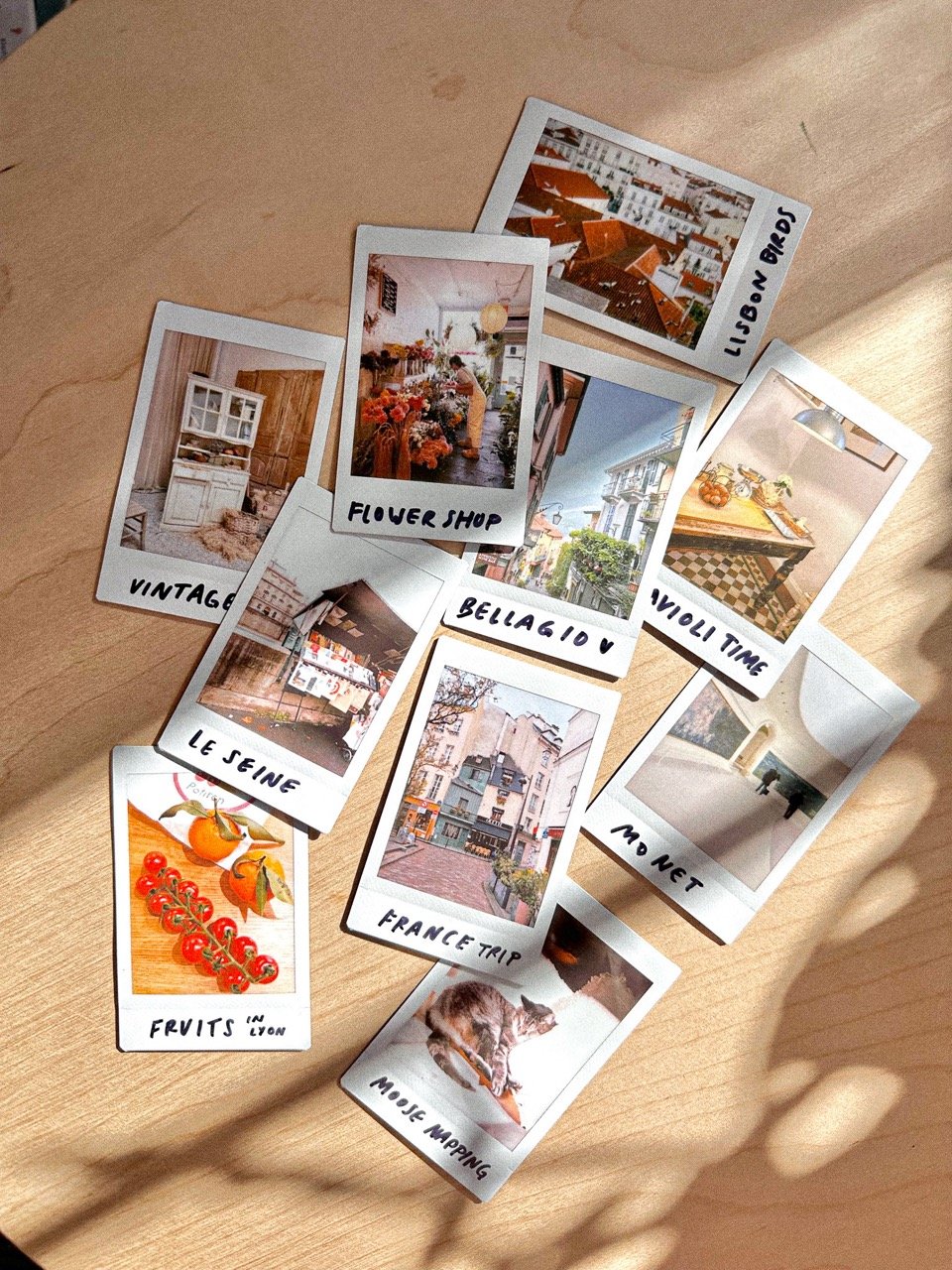
Here's something that has helped me a lot: instead of looking at one artist for inspiration, gather from many.
When you only look at one person's work and then sit down to create, your brain naturally echoes what you just saw. That's where things can start to feel like copying, even when that wasn't your intention.
But when you pull from three different illustrators, a page from a children's book, a color palette from a walk outside, and a memory from your own life, your work becomes a blend. And that blend is where your voice starts to live.
Austin Kleon talks about this too. He encourages collecting a whole world of influences rather than fixating on just one, because the more you take in, the more those references mix together into something new.
I've been collecting inspiration for years and I love sharing it. Here's a wild random Pinterest folder full of thousands of illustrations that have inspired me over time, and here's another Pinterest folder full of photos that inspire me so when I’m in a creative rut, I’d open it to draw something there.
A Note About Pinterest & Giving Credit
Since you mentioned Pinterest, I want to share something worth keeping in mind.
I love collecting inspiration there too, but a lot of art gets reposted without the original artist's credit or permission. If you find a piece you're especially drawn to and want to learn from, it's worth trying to track down who actually made it. It isn't always easy, but it's the right thing to do, especially if you're using it as a reference for your own work.
And if you share something you made that was inspired by a specific artist, credit them. Most artists are genuinely touched when someone does that. It's a small gesture that says a lot about who you are as a creative.
One more thing worth mentioning: photographers don't always appreciate having their images used as drawing references without being asked, especially if you plan to post the finished artwork with the photo reference publicly. It's always worth reaching out for consent before you do. Some will be completely honored by it, and others will prefer you don't.
Either way, asking first is always the right move.
Find Your Own References
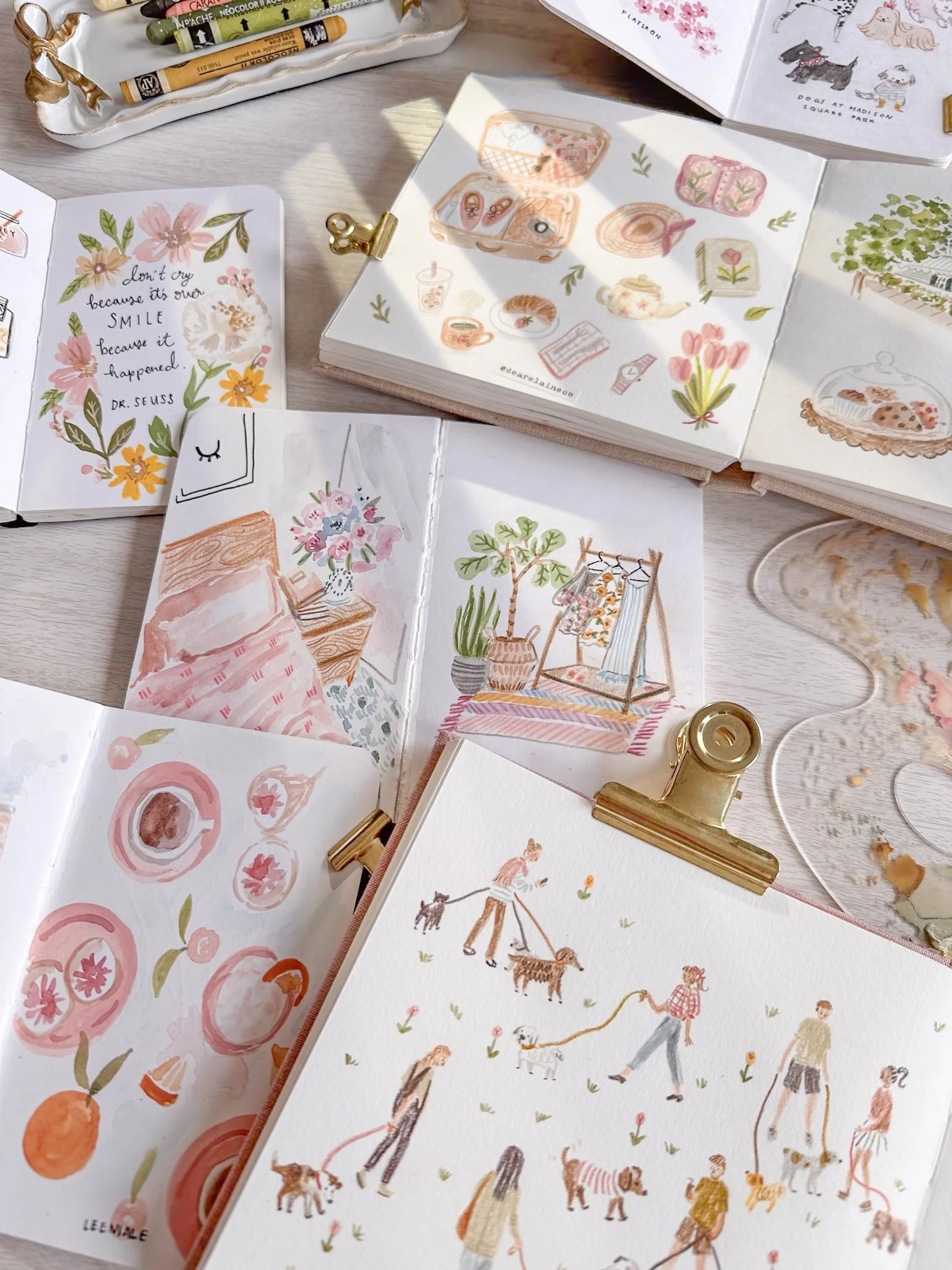
Inspiration doesn't have to come only from other artists. Once you've started building your technique, try looking through your own camera roll & around at your surroundings.
Most of my references now come from everyday life. I take photos constantly: trees on my street, birds at the park, the goodies from a café, an interesting doorway, the texture on an interesting wall. All of that becomes material. Everything around you can lend you endless color, shape, and pattern inspiration.
I also love wandering through secondhand bookstores and flipping through whatever I find, vintage book covers, botanical illustrations, old fabric patterns, field guides with animal drawings. You never know what's going to catch your eye on a random Tuesday afternoon.
There’s also music, film, history…the more varied your sources, the more original your work will naturally feel, because no one else has had exactly your eyes or your experiences. That's something no artist you admire can give you. Only you can bring that to the page.
Developing Your Art Style
As you continue learning and borrowing concepts from other creatives, something will start to happen. You’ll begin to add your own voice to everything you make.
Being inspired by others helps you develop technique and decision-making, and over time, a consistency starts to emerge in your work. That consistency? That's your art style taking shape.
In my experience, it's less of a destination and more of a continued process, one that changes and evolves as you grow.
I started illustrating when I was quite young, beginning with Powerpuff Girls and Sailor Moon imitations, then developing my own characters, and eventually teaching myself digital illustration. When I studied fashion design in college, I was exposed to a whole new range of mediums and influences, picking what I liked from a bowl of candy and leaving what didn't fit. That's where my drawing style first started to take shape, through fashion illustration.
Then, while working in textile design, I learned to illustrate a much wider variety of subjects, especially flowers, and discovered unique watercolor techniques through artists like Helen Dealtry. It was a whole new layer of learning.
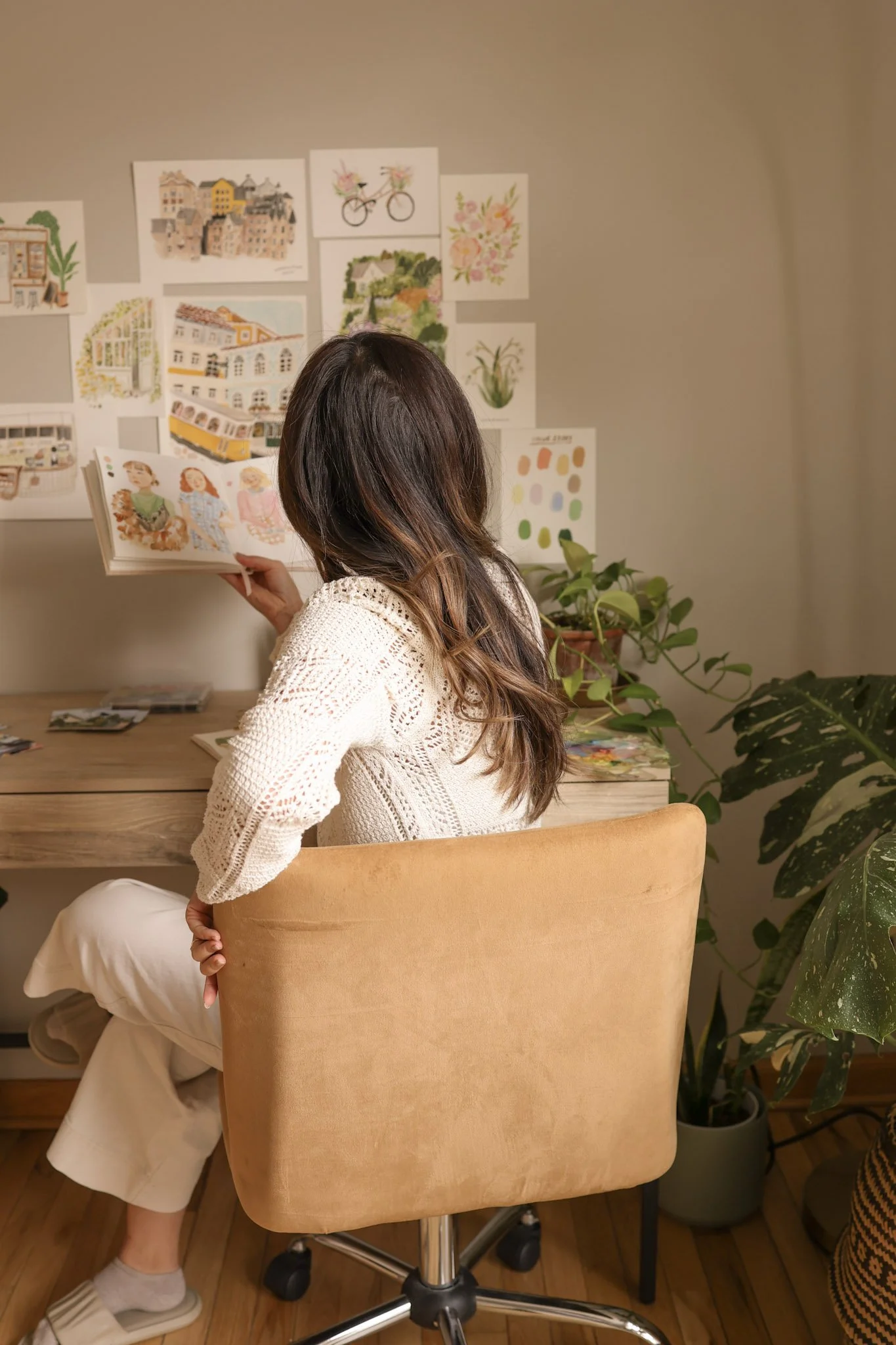
Years later, I threw myself back into developing my artistic voice in traditional mediums, colored pencils, gouache, and pastels, studying a new wave of illustrators whose work I was smitten with. To name a few: Emma Block, Caitlin McCauley, Cécile Metzger, Emily Isabella, Rosie Harbottle, Penelope Dullaghan, Lucia de Marco, and many beloved children's book illustrators. I gathered their books, consumed their content, and let it all reshape how I thought about illustration.
And yet, if you look at my work today, it doesn't look like any of them. I found my beginnings by studying and looking up to these artists as guides, but what came out the other side was something that feels like mine.
Hope that helps!
I hope you’ll find many artists to follow and inspiration from your daily life. Study the process of other creatives, look deeply into all sorts of mediums and a wide range of references. Learn from everything and everyone generously and with gratitude.
And trust that the more you create, the more you'll start to recognize your own hand in the work. 💕
Happy creating!
x Elaine
P.S. if you’re just learning to draw and need some basic drawing foundations then check out these two classes in my Creative Starter Kit. A wide range of subjects and lots of fun 🎨